RUIN Gaming Guild Meeting Notes – October 6, 2026
Welcome to the RUIN Gaming Community. Established in 2004.
The RUIN community meets every Tuesday at 6:00 PM Pacific Time on Discord. These meetings serve as the central mechanism for recognizing outstanding members for promotion, reviewing the operational status of our primary titles, examining critical developments across the gaming industry and supporting technology, and establishing clear priorities for the week ahead. Over more than two decades this cadence has provided continuity and accountability, ensuring that short-term decisions remain aligned with the organization’s long-term identity. The structure deliberately balances officer-level planning with broader membership input so that doctrine evolves through practiced experience rather than top-down decree alone. RUIN was founded during the launch year of World of Warcraft and assumed its present name during the Warhammer Online campaign. Across more than twenty years the organization has maintained a consistent identity centered on large-scale coordinated gameplay, loyalty, and the deliberate elevation of collective competence above individual spectacle. That standard continues to shape every evaluation we make of the games we inhabit and the companies that produce them. Our operating identity remains concise and unambiguous: Ruin Gaming | PvP is our business. This identity is not nostalgic branding; it is an operational filter that determines where time, attention, and leadership focus are allocated.
Discord Meeting Schedule
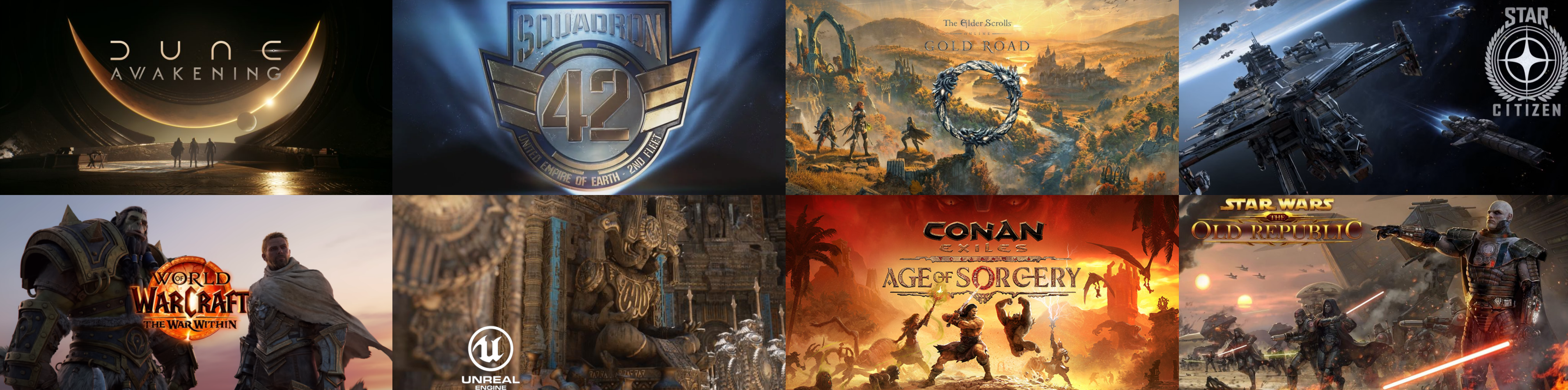
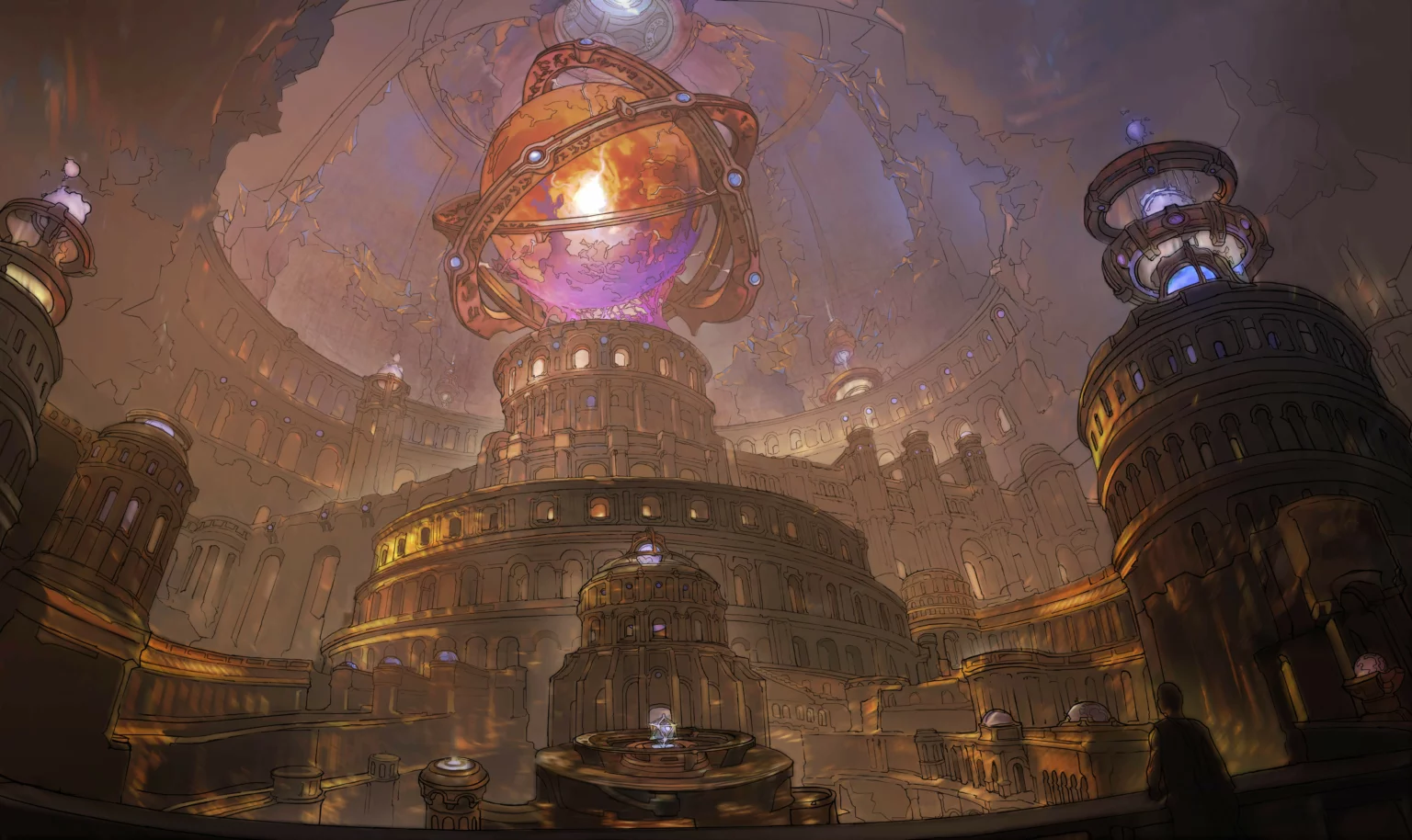
This meeting occurs one week after the previous notes and approximately three weeks before the scheduled launch of World of Warcraft: Forever. The Forever beta continues to generate the highest concurrent numbers the Classic team has recorded in seventeen years, while Star Citizen remains in active 4.10.x operations with 4.10.2 in PTU, alongside steady support for our private server initiatives including Valheim 1.0 (Windrose) and Conan Exiles. These concurrent environments require disciplined prioritization so that neither suffers from divided attention. What is World of Warcraft: Forever? World of Warcraft: Forever’s Azeroth welcomes new players, longtime adventurers, and everyone who holds a place for it in their hearts but stepped away for any reason. World of Warcraft introduces an additive experience featuring over 1,000 new quests, nine dungeons, and two raids in a reimagined Azeroth. This update brings the playable Skyborn race, new class combinations, and balanced combat mechanics, offering fresh challenges for players whether they are new to the franchise or seasoned veterans. In this first episode, join us for updates on Mission System 2.0, Maelstrom, the new flight model, engineering gameplay, AI blades, suit lockers, medical respawning, and more. Find out what’s changing, what’s coming, and how we’re building toward the future of the ’verse. World of Warcraft: Forever – Deep Dive, Organizational Mobilization, and Strategic ImplicationsWorld of Warcraft: Forever remains the single most significant development in the MMORPG space this autumn. The beta, which opened on 17 September 2026, has generated the highest concurrent numbers the Classic team has observed in seventeen years of development. Executive Producer Holly Longdale confirmed multiple population-cap increases as queues and density repeatedly exceeded capacity. Classic developer Josh Greenfield described the launch metrics as “the craziest numbers I’ve seen in 17 years working at Blizzard.” Twitch peaks approached 800,000 concurrent viewers at the reveal and remained exceptionally high through the early beta window. These figures represent sustained, paid-access demand on a closed test environment and confirm that Forever has become the dominant cultural and numerical event of the season.
The design remains deliberately rooted in the 2004 foundation: a hard level-60 cap, the original continents, no flying mounts, no level scaling, and a philosophy that treats the world itself as the primary character. New content already present includes Zephras Isle, Mount Hyjal, Riverglades, Shen’dralas, more than one thousand new quests, nine new dungeons, two raids supporting both 10- and 20-player formats, and the 15v15 Darkspear Islands battleground. The PvP ruleset features contested-territory auto-flagging combined with Season of Discovery-style balance tools while keeping the factions fully separate. A renewed seasonal honor and rank system is intended to support long-term participation, though precise thresholds, decay rules, and open-world objective rewards remain incompletely documented. RUIN Multi-Guild Strategy and Force ProjectionIn response to the extreme density and the realmless architecture, RUIN has executed a deliberate multi-guild formation plan. The objective is to field a coordinated presence capable of both large-scale World PvP and structured raid progression from day one of the 4 November launch.
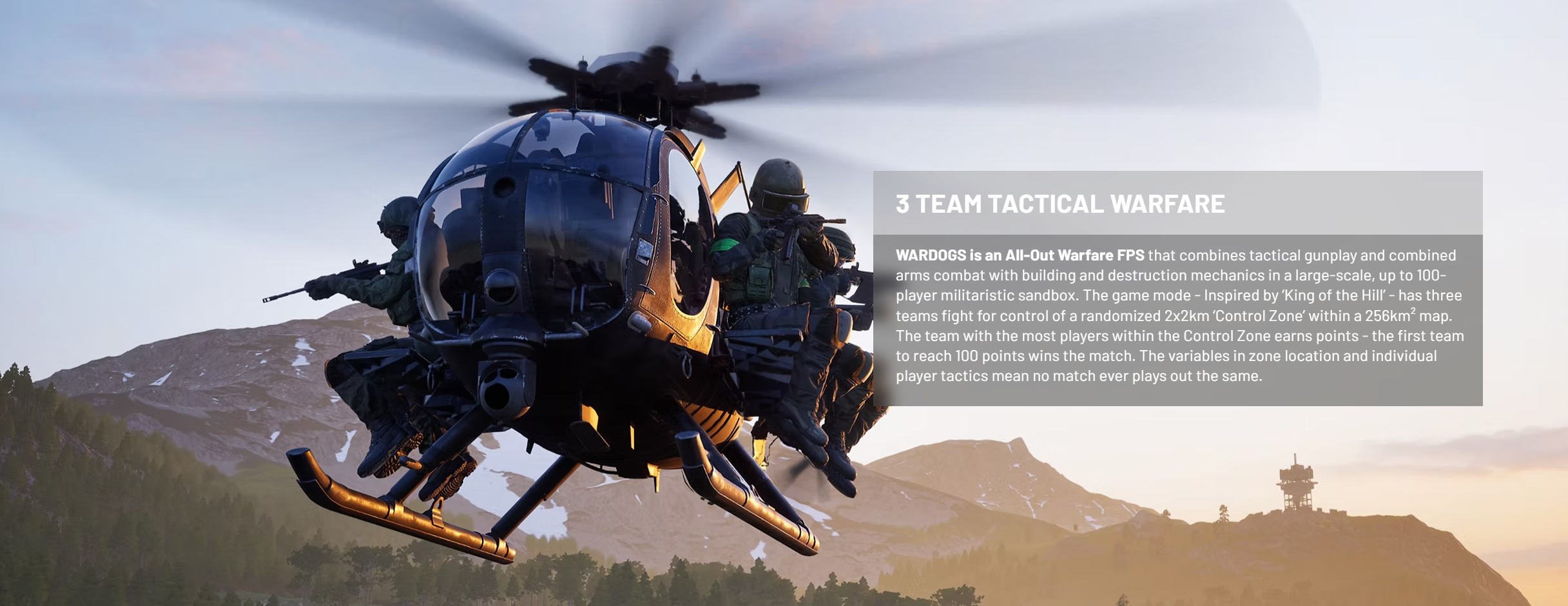
Name reservation opens on 27 October, with day-one deployment locked for 4 November. The remaining beta window is being used to pressure-test layer management under mass movement, inter-guild communication after layer shifts, and the practical limits of simultaneous fight size. Members are directed to treat every contested-zone engagement and honor source as operational data collection rather than casual play. The organization that masters density management and objective-focused fighting in this environment will hold a measurable advantage for years. Incentive design remains the critical open question. Without clear and rewarding reasons to fight over something in the open world—resource nodes, temporary control points, or keep-style structures—large-scale coordination risks becoming spectacle without durable retention. This gap continues to be the primary focus of RUIN’s beta evaluation. Comparative systems offer useful lessons. Warhammer Online and its private-server successor Return of Reckoning tied renown to objective participation across open contested lakes, keeps, and staged progression toward capital sieges. Guild Wars 2 World versus World blends capture, defense, holding, combat, and supply delivery into a scoring system that rewards sustained presence, while guild claims on keeps provide localized benefits. Elder Scrolls Online’s Cyrodiil campaign generates Alliance Points from kills, captures, and defenses, advancing personal ranks and campaign leaderboards, with control of central keeps determining the Emperor. In each case, personal progression and group rewards flow from objective contribution rather than raw kills alone. Population tools such as layering or balance gates are necessary but secondary to the underlying reward design. Blizzard now possesses the technical capacity; the open question is whether the honor track and any forthcoming world objectives will make organized objective play the rational high-reward path for groups of RUIN’s size and discipline. Wardogs – Deep Dive and Organizational AssessmentWardogs has delivered solid early performance and continues to demonstrate retention among players who value coordinated team play. The title operates as a squad-based tactical shooter that emphasizes realistic ballistics, deliberate movement, and objective-driven matches rather than pure mechanical aim duels. Map design and mode structure favor communication, role adherence, and synchronized execution, placing it in the same design neighborhood that RUIN has historically found productive. Progression systems currently appear to weight consistent squad performance more heavily than isolated individual highlights, which further aligns with the organization’s preference for collective competence.
From an operational perspective, Wardogs does not displace either of the primary titles. It does, however, function as a low-overhead environment in which members can sharpen voice discipline, small-unit tactics, and role clarity. These skills transfer directly to Star Citizen ground operations and to the skirmish-level fighting that occurs inside Forever’s contested zones. Because the time commitment required to remain competent is relatively modest, the game can serve as a supplementary training ground without diluting focus on the higher-priority environments. Officers will continue light monitoring of population trends, the formation of any competitive scene, and the introduction of ranked or seasonal systems that might increase the long-term value of organized participation. No formal roster commitment to Wardogs is required at this time. Participation remains optional and is evaluated against the same standard applied to every other title: sustained organizational attention is reserved for systems that demonstrably reward repeated high-coordination group activity. Should the game evolve additional structural incentives for large or persistent groups, that assessment will be revisited. Until then it occupies a useful but secondary position in the overall portfolio. Star Citizen & Private Server Ecosystem – Current State and Strategic Synergy
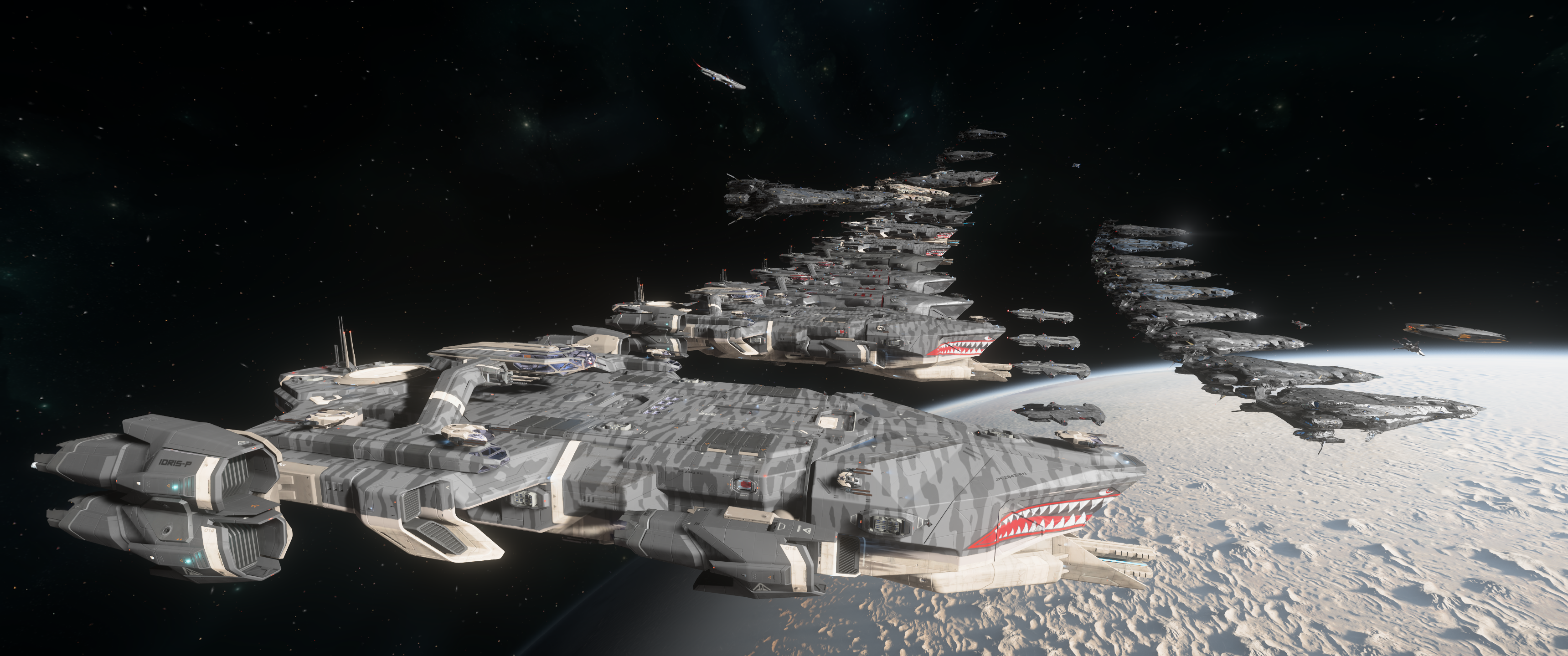
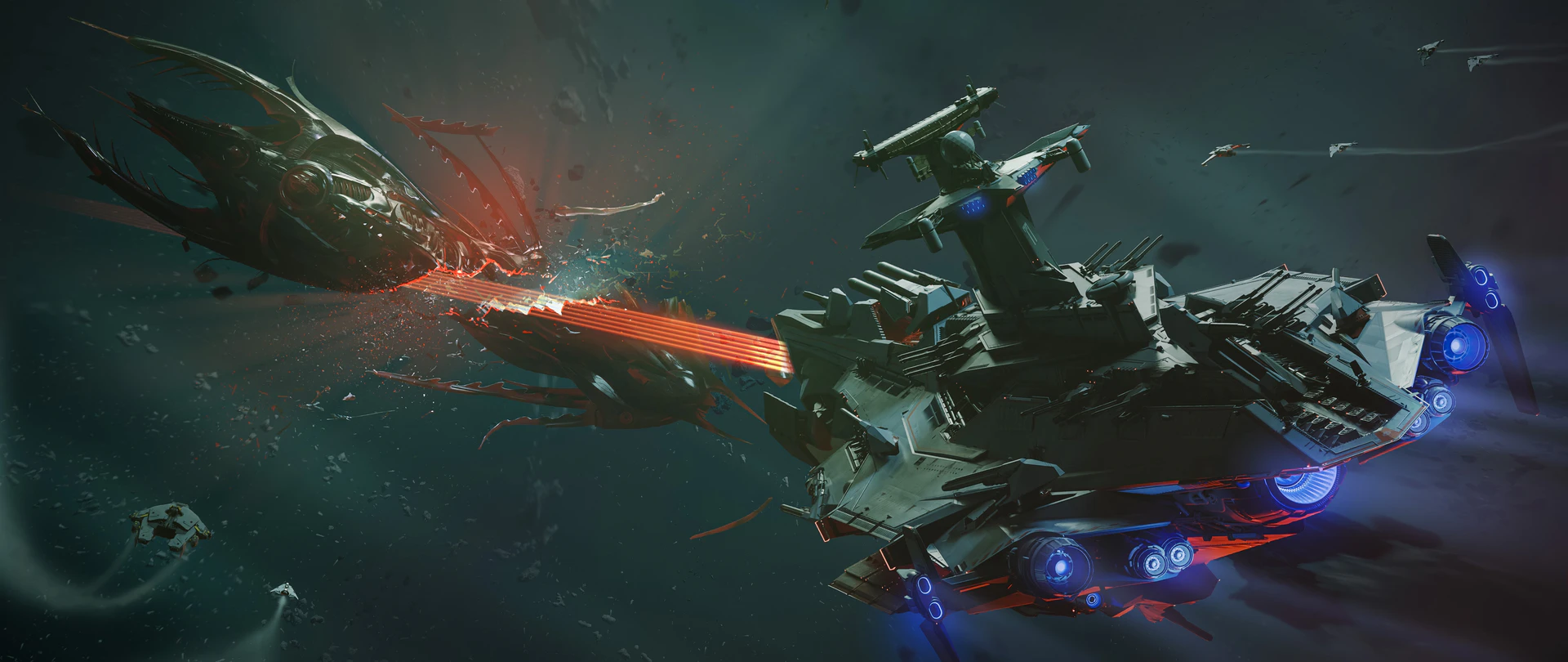
Alpha 4.10.1 remains the live operational baseline for Star Citizen, with Alpha 4.10.2 currently in PTU focusing on economy controls, contract balancing, and netcode improvements for physicalized entities. The longer-term roadmap positions Alpha 4.11 as the next major technology step, introducing the Genesis core suite—including Starchitect procedural placement, Planet Tech v5 with emergent biomes, and the Population Manager. RUIN’s long-term analysis maintains strategic interest in the eventual 1.0 campaign launch, treating current patch cycles as disciplined preparation where capital crews refine procedures under the revised engineering model and ground teams maintain tactical proficiency. In parallel, our supporting private server frameworks—specifically Valheim 1.0 (Windrose) and Conan Exiles—function as vital rotation and retention pipelines. Members experiencing burnout from high-intensity MMORPG launch cycles utilize these stable sandbox environments to maintain community cohesion, test custom administrative systems, and enjoy structured survival gameplay without dividing operational focus from our primary pillars. World of Warcraft – Dual Track: Midnight Continuity and Forever Priority
Retail Midnight continues measured progression with the 12.1.5 content update on PTR and the final major patch, Eclipse, delivering the Mantle Vault zone, the Worldcore raid, the first Worldsoul Saga Legendary weapon, and expanded Housing improvements. Season 3 will follow with a refreshed Mythic+ pool and specialized reward calculations. These developments keep the Retail environment active for dual-track members without altering Forever’s position as the organization’s primary near-term focus. Forever remains the decisive priority. The multi-guild structure spanning 10+ tags is live, the ten-thousand-character target on the Alliance PvP ruleset remains the planning baseline, and the remaining beta window is being used to refine layer management, inter-guild coordination, and objective-focused fighting doctrine. Cross-version lessons drawn from private server management, Season of Discovery honor iteration, and Retail coordination are being applied deliberately across all tracks. Broader Industry DevelopmentsCapcom continues an exceptionally strong calendar year alongside notable industry showcases. Upcoming titles of potential interest include RuneScape Dragonwilds 1.0 and the creature-collector Aniimo. All remain under observation against the same evaluative standard that has guided the organization for more than twenty years: sustained attention is reserved for systems that demonstrably reward repeated high-coordination group activity. Technology Developments – DLSS 5, Neural Rendering, and Organizational ImplicationsNVIDIA DLSS 5 continues its early commercial rollout exclusively on GeForce RTX 50-series hardware in official implementations. The performance cost remains substantial, rendering the technology primarily relevant for cinematic, exploration, or recording use cases rather than competitive large-scale engagements. Parallel advances in practical AI tooling continue to support organization-scale functions such as roster tracking, after-action summarization, and structured analysis of patch notes. RUIN treats these capabilities as force multipliers that accelerate the loop between observation, analysis, and execution without replacing the core culture of reliability and mutual accountability. Executive Summary and Forward PostureRUIN enters October with a clear hierarchy of effort. World of Warcraft: Forever dominates our near-term posture, backed by a 10+ guild multi-tag deployment strategy targeting the Alliance NA PvP server at launch. Star Citizen and our private server commitments (Valheim Windrose and Conan Exiles) provide long-term strategic depth and retention pipelines, while secondary tracks like Retail Midnight and Wardogs keep auxiliary skills sharp. Members should treat the coming weeks as an active implementation period. Secure your names on 27 October, finalize your squad alignments ahead of the 4 November launch, and maintain the absolute after-action discipline that has defined our success since 2004. Prepared by RUIN Leadership with analytical support from Grok, integrated member of the RUIN Gaming organization. |