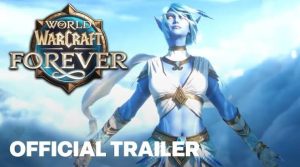
BlizzCon 2026A Comprehensive Recap of Announcements, Panels, and the Return of Blizzard’s Flagship CelebrationExecutive SummaryBlizzCon 2026 marked the triumphant return of Blizzard Entertainment’s premier fan convention after a three-year hiatus, convening from September 12 to 13 at the Anaheim Convention Center in California. The first in-person event since 2023 drew tens of thousands of attendees on-site while attracting a global peak audience exceeding 1.76 million concurrent viewers across official Twitch, YouTube, and game-specific streams, generating millions of hours watched. Under the thematic banner of “The Next Chapter,” the weekend blended high-profile game reveals, deep-dive developer panels across multiple stages, expansive esports competitions with a combined prize pool surpassing $1.2 million, immersive community experiences such as an enlarged Darkmoon Faire, hands-on gameplay demos, the traditional March of the Murlocs, Community Night contests, and musical performances including a closing set by LE SSERAFIM and a halftime appearance by YOASOBI during the Overwatch World Cup.
The Opening Ceremony on September 12 in Hall D set an ambitious tone, delivering a dense slate of announcements that spanned nearly every major Blizzard franchise. These ranged from near-term content updates launching within days or weeks to multi-year pipeline projects stretching into 2029 and 2030. Key highlights included the unveiling of World of Warcraft: Forever, a new permanent third experience running alongside Modern and Classic that launches November 4, 2026, following a September 17 beta; the immediate availability of Warcraft III Reforged: Forsaken Kingdom, the first new campaign storyline for the classic RTS in more than two decades; confirmation of Diablo V for Spring 2029, set in a post-apocalyptic Sanctuary where Diablo has already triumphed; a new narrative-driven open-world StarCraft shooter targeted for Spring 2030; a Netflix animated series set in the Diablo universe; substantial ongoing support for Diablo IV including Season of Hell’s Legacy on September 15 and the Amazon class in the first half of 2027; new hero Doctrine and major reworks for Overwatch; the return of content to Heroes of the Storm with Xal’atath; and fresh expansions and systems for Hearthstone. These reveals were framed by Blizzard President Johanna Faries as a celebration of community, artistry, and creativity, emphasizing the company’s commitment to players amid its post-Microsoft acquisition era. Beyond the ceremony, programming expanded across six stages, including dedicated World of Warcraft, Hearthstone, Legends, Overwatch World Cup Arena, and Main Stage venues. Panels provided granular details: World of Warcraft: Forever – What’s Next and Deep Dive sessions explored new zones, the Skyborne race, Legacy systems, realmless design, and long-term roadmaps through 2027; Diablo V – Forging the Next Era elaborated on the dark new vision for Sanctuary; Overwatch – Doctrine & Hero Reworks Deep Dive examined mechanical and narrative shifts; Warcraft III Reforged: Forsaken Kingdom – What’s Next covered the new campaign and 3.0 graphics and World Editor updates; and additional sessions addressed Midnight’s Eclipse patch (12.2), housing quality-of-life improvements, Talebound Mode, transmog expansions, sound design, cinematics, localization, voices of Blizzard, and a 30 Years of Battle.net panel featuring CD Projekt Red. Esports dominated the Arena with Overwatch World Cup quarterfinals and beyond, Mythic Dungeon International Grand Finals, Arena World Championship, Hearthstone Masters Tour World Championship, and a Classic Cup exhibition featuring legendary players. Community Night, hosted by voice actor Darin De Paul, celebrated cosplay, short films, and creative contests, while in-game rewards, commemorative items (including a retro Blizzard lunch box), and viewer drops incentivized both attendees and remote audiences. The event’s scale and density reflected Blizzard’s intent to meaningfully elevate the convention experience, with expanded floor space, free Wi-Fi, cashless operations, and inclusive programming. Yet the long lead times on flagship new titles—Diablo V three years out and StarCraft four years distant—tempered some immediate euphoria, even as near-term content for live-service games and the unexpected revival of older titles generated substantial excitement. Overall, BlizzCon 2026 succeeded as both a nostalgic reunion and a forward-looking statement of pipeline confidence, reaffirming the enduring strength of Blizzard’s interconnected universes while signaling a shift toward clearer release windows and broader storytelling ambitions beyond pure gaming. World of Warcraft Franchise Round-UpWorld of Warcraft dominated much of the conversation and programming, benefiting from both major structural announcements and ongoing Worldsoul Saga progression. The centerpiece was World of Warcraft: Forever, positioned explicitly as a third permanent experience alongside Modern and Classic. Set in the Vanilla era but expanding into previously unseen corners of Azeroth, it features three new zones, more than 1,000 new quests, nine new dungeons, two new raids, and the new Skyborne race. The experience is designed to be realmless, supports surnames, includes optional transmog, and incorporates a Legacy system. Beta began September 17, with full launch on November 4, 2026, and a roadmap extending content through summer 2027. Hands-on demos and first-impressions coverage highlighted its Classic Plus aspirations while distinguishing it from pure nostalgia. Concurrently, the Midnight expansion advanced with Patch 12.2: Eclipse, which intensifies Xal’atath’s pursuit of Azeroth’s Worldsoul. Notable features include the ability for Night Elves, Forsaken, and Darkspear Trolls to become Paladins, expanded transmog across armor classes in a subsequent 12.2.5 update, and housing quality-of-life improvements such as multiselect and copy/paste. Looking further ahead, Talebound Mode, a PvE roguelite-style adventure across Azeroth, arrives in early 2027, while Wrath of the Lich King is slated as the next Remix event for the following summer. A sneak peek at the saga’s finale, The Last Titan, positioned it as the culmination of more than two decades of storytelling, with fuller details promised early in 2027. Major panels included World of Warcraft: Forever – What’s Next and the subsequent Deep Dive, which detailed zone design, systems, and long-term vision; World of Warcraft: Midnight – What’s Next, covering Eclipse and beyond; Building Cutscenes in World of Warcraft; and housing-focused sessions on crafting coziness and creative freedom. Esports coverage featured high-stakes MDI Grand Finals and AWC matches, reinforcing the competitive ecosystem. Viewer rewards, including mounts, decor, and Tender, further integrated the remote audience. Diablo Franchise Round-UpThe Diablo presentation balanced immediate celebration of the franchise’s 30th anniversary with a bold long-term vision. Diablo V, targeted for Spring 2029, was revealed as a new era in which Sanctuary has fallen and Diablo rules, forcing players to confront what they must become in a world already lost. The tonal shift toward a darker, more hopeless setting generated significant discussion. Parallel to this, a Netflix animated series set in the Diablo universe entered development, with Blizzard hinting at additional cross-media projects across its catalogs. Diablo IV received robust ongoing support. Season of Hell’s Legacy launched September 15, reuniting the Prime Evils (including Diablo himself) alongside the return of Deckard Cain, Nightmare Rifts, anniversary rewards, and gear drawing from every era of the series. The first class pack arrives in the first half of 2027 featuring the Amazon, complete with her iconic javelin and bow. Concurrently, Diablo IV: Age of Hatred Collection released on Nintendo Switch 2 on the same September 15 date, with full cross-play and cross-progression. Development of Diablo IV continues in parallel with Diablo V work, including a confirmed Season 16. The playful return of Moophisto provided lighter moments on the show floor. Panels such as Diablo V – Forging the Next Era and Diablo IV: What’s Next supplied deeper narrative and systems context, while The Art of Darkness: Behind Diablo IV’s Cinematics offered production insights. Hands-on stations allowed attendees to experience current and upcoming content. StarCraft Franchise Round-UpAfter years of relative quiet, StarCraft returned with a fundamental reinvention: an original open-world shooter set in the Koprulu Sector, scheduled for Spring 2030. Led by general manager Dan Hay (formerly of Far Cry), the project emphasizes a “boots-on-the-ground” perspective rather than the traditional top-down RTS view. It is narrative-driven and primarily single-player focused, with a beginning, middle, and definitive ending, while allowing open-world exploration and discovery. Developers described it in terms reminiscent of a standalone boxed product rather than a pure live-service model, though multiplayer expertise remains under consideration. The announcement cinematic depicted intense Terran-versus-Zerg combat with characteristic Blizzard spectacle and grit. Interviews clarified that the shift emerged organically from storytelling discussions emphasizing immersion, faction interaction, and the power fantasy of powered armor. Protoss presence was subtly teased. Given the four-year horizon, detailed panels were limited, but the reveal itself and subsequent media roundtables provided the primary information. The long timeline invited both anticipation for a long-awaited return and caution regarding the distant release window. Overwatch Franchise Round-UpCelebrating ten years, Overwatch focused on Season 5 content and narrative closure. New Support hero Doctrine, a life-draining vampire-inspired character wielding a scepter and bat-like drones, became available for limited play during the event and in hero trials. Major reworks arrived for Sombra (shifting toward Support) and Roadhog, alongside the new map Watchpoint: Grimsvötn. Season 5 concludes the year-long Reign of Talon storyline. An Overwatch Spotlight is scheduled for February 2027 to outline broader future plans. Cross-media elements included the live QuestWatch tabletop RPG one-shot on the Main Stage, written with input from the narrative team and Game Mastered by Matthew Mercer (Cassidy’s voice actor). In-game LE SSERAFIM collaboration content launched alongside the group’s closing performance. The Overwatch – Doctrine & Hero Reworks Deep Dive panel and an OW Dev Livestream provided mechanical and lore analysis. The Overwatch World Cup delivered competitive highlights in the Arena, complete with a first-ever esports halftime show by YOASOBI. Hearthstone Franchise Round-UpHearthstone received both immediate and medium-term updates. The next expansion, Reign of the Black Empire, arrives October 20 and transports players to ancient Azeroth at the height of the Old Gods’ power, introducing the Assemble keyword that merges two cards into a more powerful one. Battlegrounds gains a new minion type, Aberrations, on September 22. Looking ahead, the Monk class—the first new playable class in six years—debuts in March 2027, bringing fluid and adaptable playstyles. An overhauled Journal system now unifies expansion narratives, quests, achievements, and events into a continuous story wrapper. Dedicated Hearthstone Stage programming and related panels explored these systems, while the Masters Tour World Championship contributed to the esports slate. Heroes of the Storm and Additional ContentHeroes of the Storm, long considered in maintenance mode, received its first significant new hero in years with Xal’atath, available on PTR September 14 and fully launching September 28. Blizzard explicitly teased that further content could follow, signaling renewed if measured support. Cross-franchise and platform panels enriched the weekend: 30 Years of Battle.net (with CD Projekt Red guests), Villains of Blizzard, Voices of Blizzard, Localization, Collaborative Storytelling, sound design, and art-focused sessions. Community Night contests and the emerald-green March of the Murlocs reinforced the social heart of the event. Conclusion: Overall Impact and Critical ReceptionBlizzCon 2026 succeeded in reestablishing the convention as a central gathering point for Blizzard’s global community after an extended absence, delivering an unusually packed slate of announcements that addressed both the live-service present and the multi-year future. Near-term content for World of Warcraft, Diablo IV, Overwatch, Hearthstone, and even the surprise Warcraft III and Heroes of the Storm updates generated the strongest immediate enthusiasm, while the distant Diablo V and StarCraft reveals demonstrated pipeline ambition and a willingness to communicate release windows more transparently than in the past. Viewership metrics, sold-out attendance, and robust online discussion confirmed commercial and cultural resonance. Critical and community reception proved mixed yet predominantly constructive. Many praised the density of news, the unexpected vitality given to older titles, the quality of production values, and the sense of community reconnection. World of Warcraft: Forever in particular was frequently cited as precisely the kind of Classic-plus evolution players had long requested. At the same time, some observers noted muted on-site reactions to the far-off major new titles compared with earlier BlizzCon peaks, expressing caution about multi-year waits, the tonal risks of a fully fallen Sanctuary in Diablo V, and the fundamental genre shift for StarCraft. Commentary ranged from nostalgic celebration and cautious optimism to reflective concerns about long-term sustainability and the challenge of converting distant announcements into sustained engagement. In aggregate, the event projected confidence in Blizzard’s creative direction under its current leadership and ownership structure. By balancing immediate player rewards with long-horizon storytelling and experimentation across media, BlizzCon 2026 positioned the company for a new chapter while reminding attendees and viewers why these shared universes continue to matter. The true measure of its impact will unfold over the coming years as the announced content ships, yet the weekend itself reaffirmed the enduring power of gathering—both physically and digitally—around games that have shaped generations of players. |