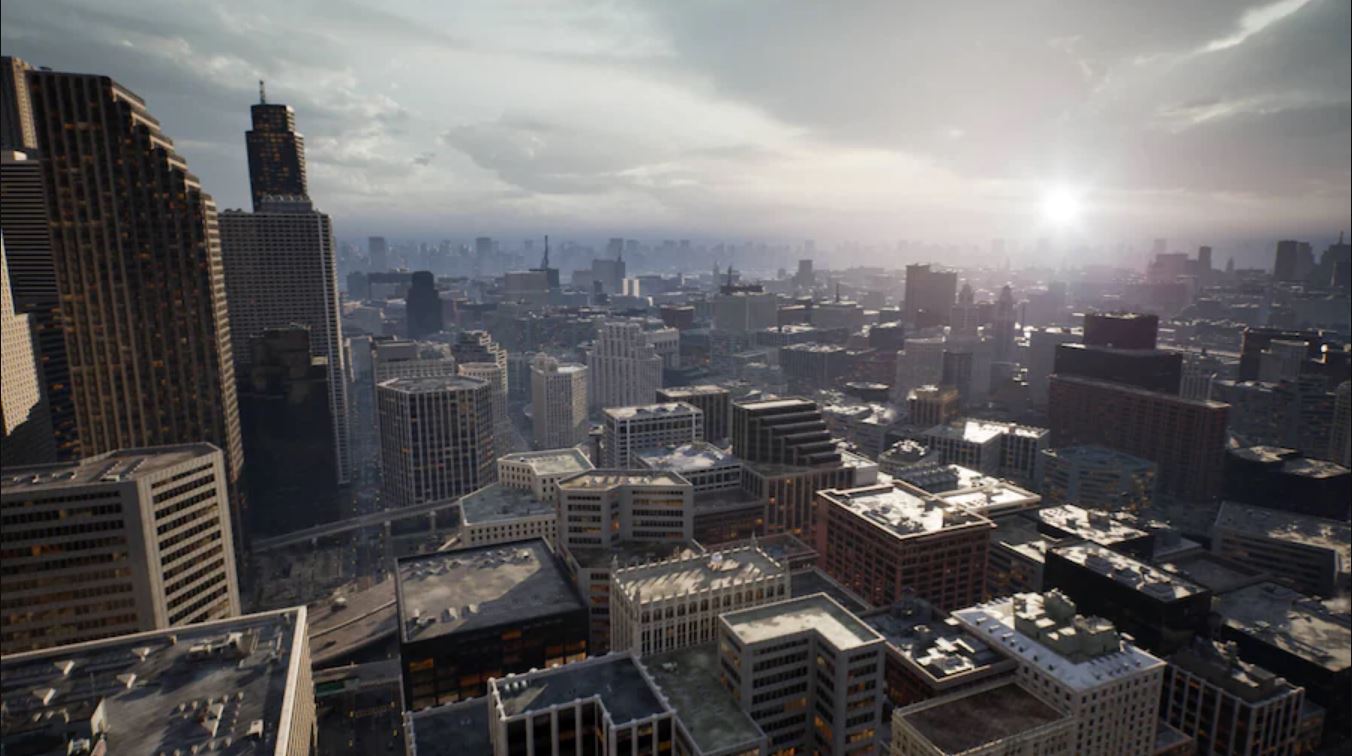
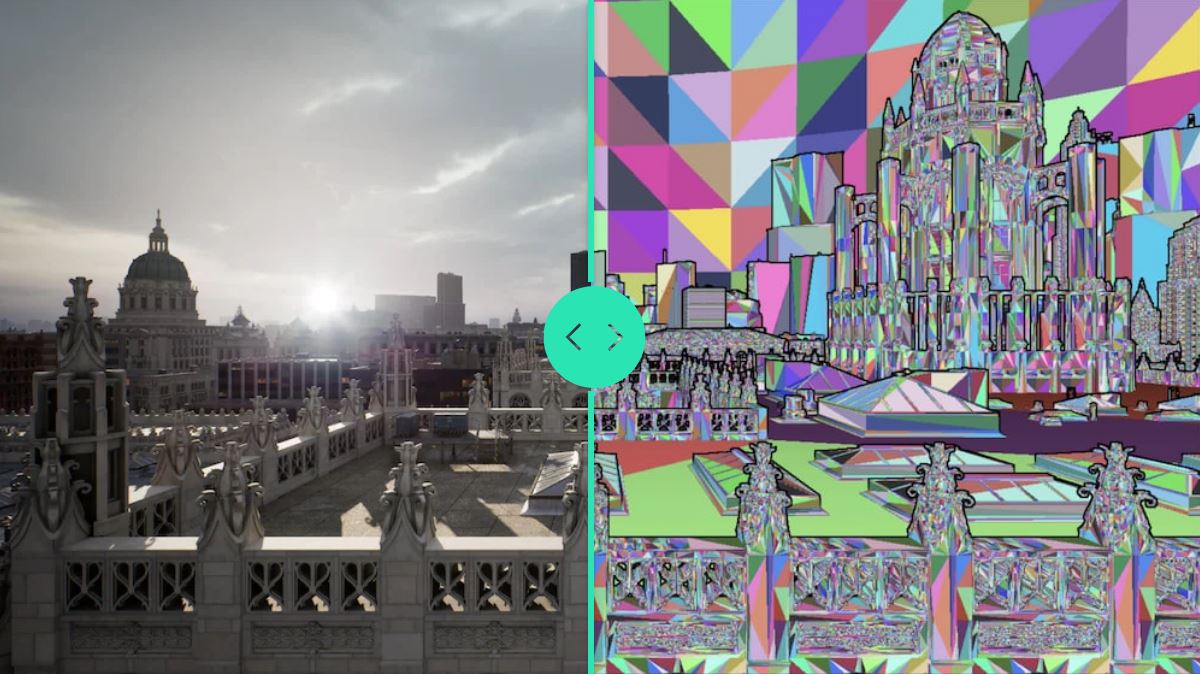
Unreal Engine 5 in 2026: The State of the ArtRUIN continues to track the latest developments in real-time 3D technology with a sharp focus on world-building tools that matter to our community. Unreal Engine 5 remains the dominant force in next-generation game development, virtual production, and interactive experiences. As of mid-2026, Unreal Engine 5.8 stands as the final planned major release of the UE5 lineage, delivering mature production-ready systems while Epic prepares the ground for Unreal Engine 6 (early access targeted for late 2027). Unreal Engine 5 is no longer “the new engine.” It is the proven foundation powering a wave of high-fidelity titles and the tool of choice for studios that once maintained their own proprietary engines. Features that launched as experimental in 2022 have been refined through years of shipping Fortnite chapters, Hogwarts Legacy-scale experiences, and countless independent projects into a robust, scalable platform. The world’s most open and advanced real-time 3D creation tool Unreal Engine 5.4 is now available Unreal Engine 5.4 delivered major toolsets used internally to ship Fortnite Chapter 5, Rocket Racing, Fortnite Festival, and LEGO Fortnite. Successive releases have continued that momentum through 5.5, 5.6, 5.7, and now the mature 5.8 release. Get an inside look at how Avalanche Software extended Unreal Engine to deliver an open world, cinematic storytelling game experience in Hogwarts Legacy. From developer experience tools, to mission editor workflows, character technologies, and cinematics storytelling editor extensions, you will get a glimpse of how the Hogwarts Legacy team embraced the Unreal Engine and extended it to achieve its game design goals and end-user gamer experience. All the big news from the State of Unreal at GDC ’24 That GDC event and subsequent State of Unreal presentations have continuously expanded the engine’s capabilities. By 2026 the focus has shifted from introducing revolutionary systems to refining them for production reliability and pairing them with powerful new AI-assisted workflows. ### Core Capabilities That Define UE5 Today Nanite virtualized geometry remains one of the single biggest leaps in real-time rendering history. Artists import multi-million-polygon source meshes (or even film-quality scans) and the system intelligently streams and processes only the detail the camera can perceive. The result is film-level geometric density without the traditional LOD authoring burden or draw-call explosion. By 5.8, Nanite support has expanded significantly for foliage, skeletal meshes, and more complex deformation scenarios. Lumen dynamic global illumination and reflections continue to evolve. Indirect lighting reacts in real time to moving lights, opening doors, time-of-day changes, and geometry destruction. The introduction of Lumen Lite in 5.8 provides a lighter-weight quality tier that helps hit 60 fps targets on handheld devices and lower-end hardware while preserving artistic intent. Hardware ray-tracing paths have seen substantial performance gains across successive releases. MegaLights reached production-ready status in 5.8. This system allows hundreds of dynamic, shadow-casting area lights in a scene with dramatically reduced noise and improved performance, targeting 60 fps on current-generation consoles. Dense urban nights, vehicle headlights, neon signage, and practical cinematic lighting are now far more practical than earlier UE5 versions allowed. World Partition and the One File Per Actor system transformed large-world collaboration. Levels are automatically divided into a grid and streamed as needed. Multiple team members can work on the same region simultaneously without the old level-locking friction. Data Layers support variations (day/night, story states, seasonal changes) existing in the same spatial volume. Procedural Content Generation (PCG) has matured into a powerful framework for scattering, biomes, road networks, and rule-based environment construction. Combined with the new experimental Mesh Terrain system in 5.8—which moves beyond traditional heightfield limitations to support overhangs, floating islands, caves, and arbitrary 3D landscape forms—teams can author far more complex and differentiated worlds in less time. MetaHuman technology continues to lower the barrier for high-fidelity digital humans. Creation tools are now deeply integrated into the Unreal Editor, supporting body and face blending, Mesh to MetaHuman workflows, markerless performance capture, and scalable crowds via MetaHuman Collections. What once required specialized pipelines is increasingly accessible inside the engine itself. Animation workflows have also advanced dramatically. Motion Matching (battle-tested in Fortnite), Control Rig + Sequencer pipelines that no longer require constant round-tripping to external DCC tools, and improved in-editor authoring mean characters can be brought to life with less friction than ever before. These systems—Nanite, Lumen, MegaLights, World Partition, PCG, MetaHumans, and the modern animation stack—collectively allow teams to build bigger, richer, more dynamic worlds while iterating faster and with higher visual fidelity than previous generations of real-time engines. The Virtual Production of The Mandalorian Season One A behind the scenes look at the groundbreaking virtual production technology used on The Mandalorian, Season One. The same real-time foundations continue to power film, television, and interactive experiences today. We are excited to see what the next generation of games have to offer! Unreal Engine enables game developers and creators across industries to realize next-generation real-time 3D content and experiences with greater freedom, fidelity, and flexibility than ever before. The future of next generation gaming Build bigger worlds
Think big, really big. Unreal Engine 5 provides the tools and assets you need to create truly expansive worlds for your players, participants, and stakeholders to explore, using content that scales. Leverage game-changing fidelity
Bring incredibly immersive and realistic interactive experiences to life with groundbreaking features like Nanite and Lumen that provide a generational leap in visual fidelity, and enable worlds to be fully dynamic. MegaLights and further Lumen optimizations in later releases have only strengthened this foundation. What’s new Unreal Engine 5 empowers creators across all industries to deliver stunning real-time content and experiences. Here’s a roundup of the key systems that define the engine in 2026. Massively detailed
Create games and worlds with massive amounts of geometric detail with Nanite, a virtualized micropolygon geometry system, and advanced Virtual Shadow Map support. Directly import and replicate multi-million-polygon meshes while maintaining a real-time frame rate without any noticeable loss of fidelity. These systems intelligently stream and process only the detail you can perceive, largely removing poly count and draw call constraints. Support has continued to expand for foliage, skeletal meshes, and deforming geometry. Dynamic global illumination and reflections
Lumen is a fully dynamic global illumination and reflections solution that enables indirect lighting to adapt on the fly to changes to direct lighting or geometry—for example, changing the sun’s angle with the time of day or opening an exterior door. With Lumen, you no longer have to author lightmap UVs, wait for lightmaps to bake, or place reflection captures; what you see inside the Unreal Editor is what you get on console. Lumen Lite in 5.8 further extends these capabilities to lower-powered hardware while targeting 60 fps. WORLD PARTITION Bigger, better Open Worlds With Unreal Engine 5, the World Partition system changes how levels are managed and streamed, automatically dividing the world into a grid and streaming the necessary cells. Team members can now also simultaneously work on the same region of the same World, thanks to the One File Per Actor system, while with Data Layers, you can create different variations of the same World—such as day and night versions—as layers that exist in the same space. Procedural Content Generation and the experimental Mesh Terrain tools in 5.8 further accelerate the creation of complex, differentiated environments. Free UE5-ready sample projects Virtual world building tools Applications in film and professional design and development To help you explore the features in Unreal Engine 5, free sample projects remain available. And for hundreds more free and paid UE5-compatible products, visit the Unreal Marketplace (now evolving under the broader Fab ecosystem). City Sample 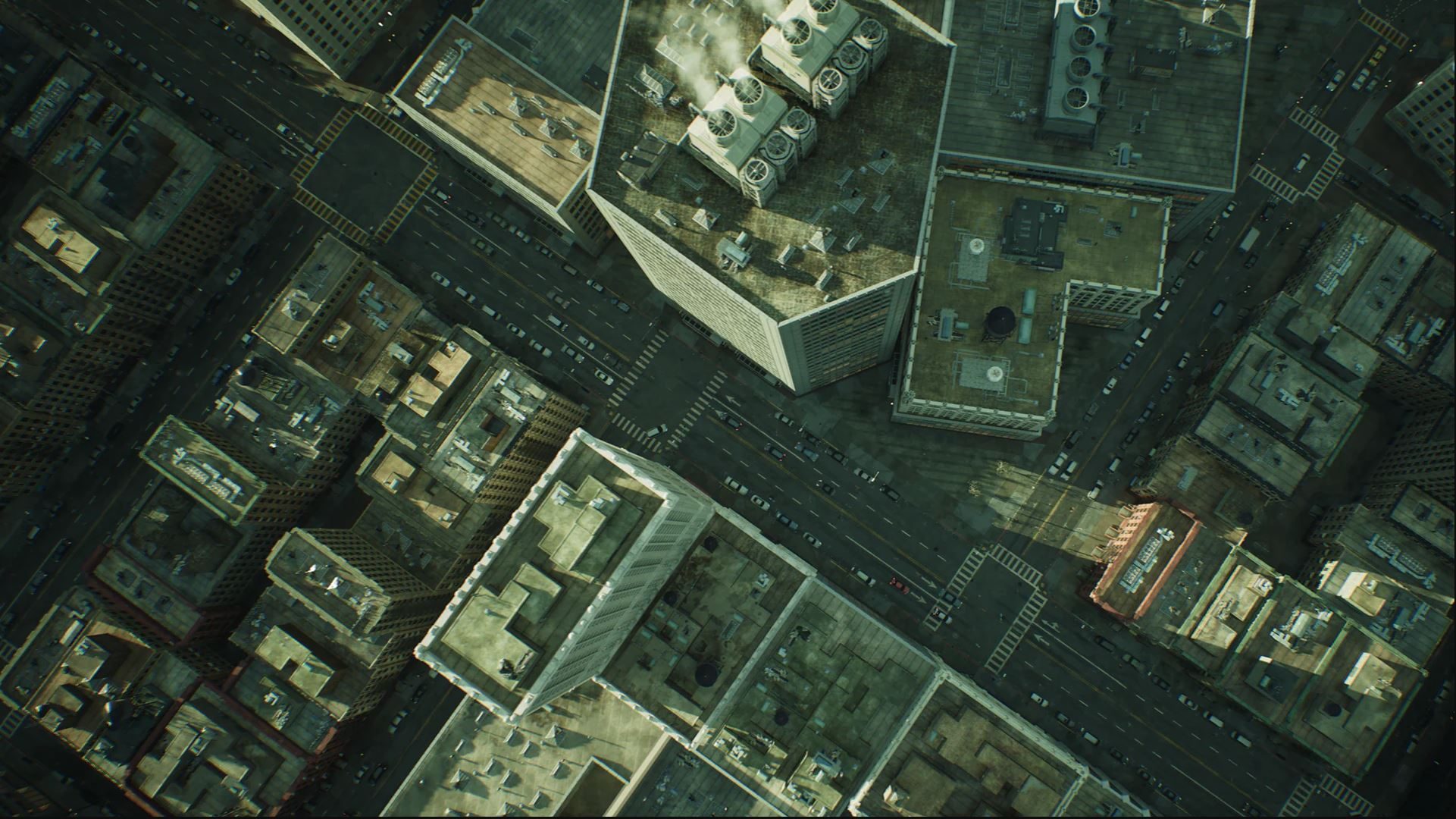    The City Sample is a free downloadable sample project that reveals how the city scene from The Matrix Awakens: An Unreal Engine 5 Experience was built. The project—which consists of a complete city with buildings, vehicles, and crowds of MetaHuman characters—demonstrates how we used new and improved systems in Unreal Engine 5 to create the experience. Later updates have continued to showcase PCG workflows and modern engine features. Allows for bringing virtually any intellectual property to life with cinematic visual effects. From Words to Worlds: How AI + Unreal Engine Is Democratizing CreationThe most transformative development in the Unreal ecosystem in 2025–2026 is not another rendering feature. It is the rapid integration of large language models and generative AI directly into the creation pipeline. In Unreal Engine 5.8, Epic introduced official support for the Model Context Protocol (MCP). This open standard allows agentic AI models—Claude, Gemini, and others—to connect to the Unreal Editor and take real actions inside a project. The AI is no longer limited to suggesting code snippets in a chat window. It can: – Create and arrange actors and assets Demonstrations at State of Unreal 2026 showed artists using natural language to furnish rooms, build city blocks, and iterate on environments in hours or days rather than weeks or months. What previously required deep engine knowledge, Blueprint expertise, and careful manual placement can now begin with a conversation. This is the key shift for people with little or no formal background in coding, traditional 3D pipelines, or game development. Lowering the Technical FloorHistorically, building a playable, visually compelling world in a modern engine demanded years of specialized skill. You needed to understand coordinate systems, lighting models, material graphs, level streaming, collision, animation state machines, and a host of other systems. Even with Blueprints, the cognitive load remained high. AI integration changes the entry point. A creator can now describe intent in plain language: “Create a medieval village square with a central fountain, timber-framed houses of varying heights, cobblestone streets, and warm evening lighting that feels lived-in.” “Populate the forest edge with dense undergrowth, fallen logs, and a winding path that leads to a ruined watchtower.” “Make this character’s armor look battle-worn and add subtle cloth simulation to the cape.” The AI agent, connected through MCP or third-party copilots, translates that intent into concrete engine actions—placing and configuring assets, adjusting parameters, generating or modifying PCG graphs, and proposing materials. The human remains in the loop for taste, narrative decisions, and final direction, but the mechanical friction of “how do I actually make the engine do this” drops dramatically. Third-party tools have expanded this surface even further. Multiple AI copilots now offer hundreds or thousands of native Unreal commands covering Blueprints, Niagara, materials, animation, UI, audio, and more. Some operate entirely inside the editor; others bridge popular AI coding environments directly to Unreal systems. The common pattern is the same: describe what you want, review the result, refine with further prompts or manual tweaks. What This Means for Independent Creators and CommunitiesFor a community like RUIN, the implications are significant. World-building no longer requires every participant to be a technical specialist. Designers, storytellers, lore enthusiasts, and players who understand the feeling they want to create can now participate more directly in the construction of shared spaces. Private server environments, custom campaign maps, cinematic sequences, and experimental prototypes become more approachable. This does not eliminate the value of deep technical knowledge. Complex systems, performance optimization, networking, and ambitious gameplay still reward expertise. What changes is the starting point. The distance between “I have a vision for a world” and “there is a navigable, lit, populated version of that world inside the engine” has shortened dramatically. Epic’s own internal shift toward AI-accelerated development reinforces the trajectory. The company has publicly described a broad retooling of teams to maximize AI leverage—not to replace creators, but to enable them to produce more and better work. The same philosophy is being extended to the wider Unreal community through MCP, the evolving Developer Assistant, and the roadmap toward Unreal Engine 6. Looking AheadUnreal Engine 5.8 represents a mature, powerful platform for building expansive, high-fidelity interactive worlds. Its core systems—Nanite, Lumen, MegaLights, World Partition, PCG, and MetaHumans—are production-proven. The addition of direct AI agency through the Model Context Protocol and the surrounding ecosystem of tools marks a genuine democratization of those capabilities. Creators who once felt locked out by the technical complexity of modern engines now have a viable path: describe the world, guide the AI, refine the result, and iterate. The tools still reward craft and vision. They simply no longer demand that every creator also be an engine expert before they can begin. RUIN will continue watching how these tools evolve and how our community puts them to use. The next generation of player-created worlds is already taking shape—one natural-language prompt at a time. |